
Woman meets pastry
Woman loves pastry
Woman eats pastry
Woman gains weight
Woman eschews pastry
Woman reads newspaper
Woman watches cable news
Woman watches network news
Woman surfs internet
Woman contemplates November 6
Woman seeks pastry

Twenty First Century Writing
Woman meets pastry
Woman loves pastry
Woman eats pastry
Woman gains weight
Woman eschews pastry
Woman reads newspaper
Woman watches cable news
Woman watches network news
Woman surfs internet
Woman contemplates November 6
Woman seeks pastry


On a clear day you can see Mount Wachusett. The Sterling Fair is just the right mix of rides (including our favorite, a real helicopter), animals, tractor pulls, arts and crafts, produce, art and baked goods.
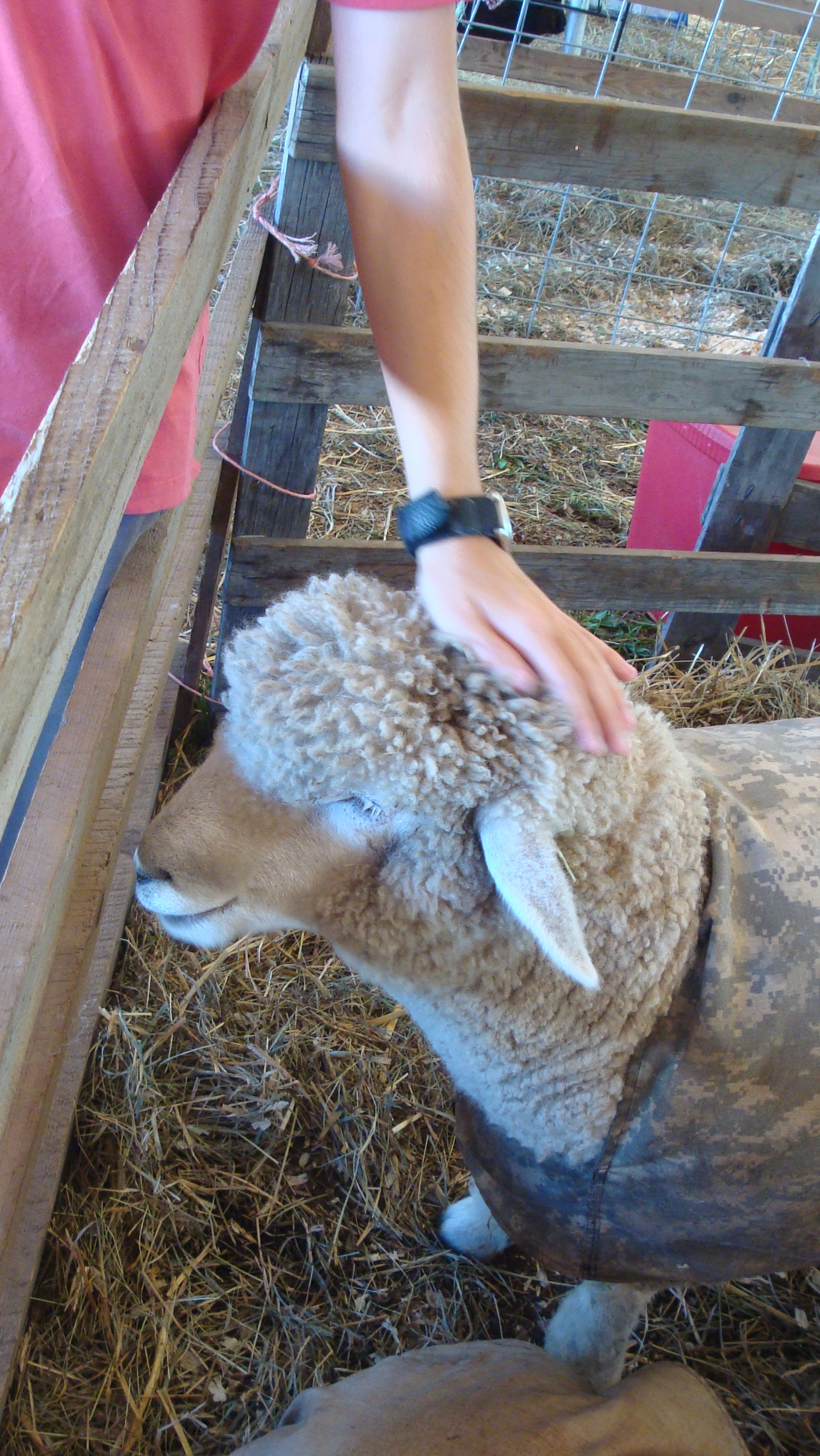
Sheep whisperer.

Oh, and junk food, I forgot that one. I think I take this same photo every year. I love that cone.
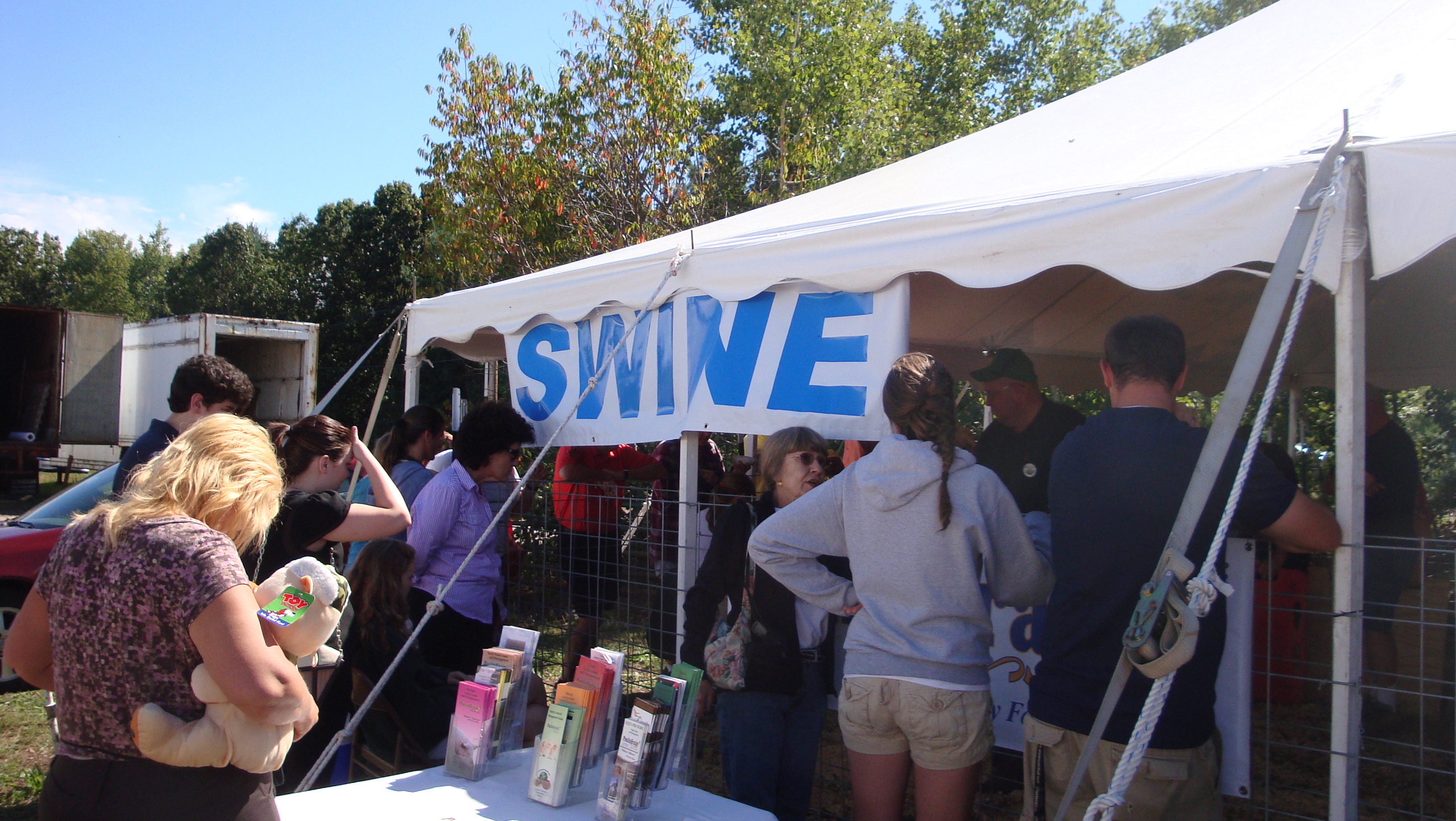
Can I have this banner, please? I want to send it to my daughter at college.

Sharp shootin’.

No giant pumpkin this year (did I miss it?) but this is almost as good.
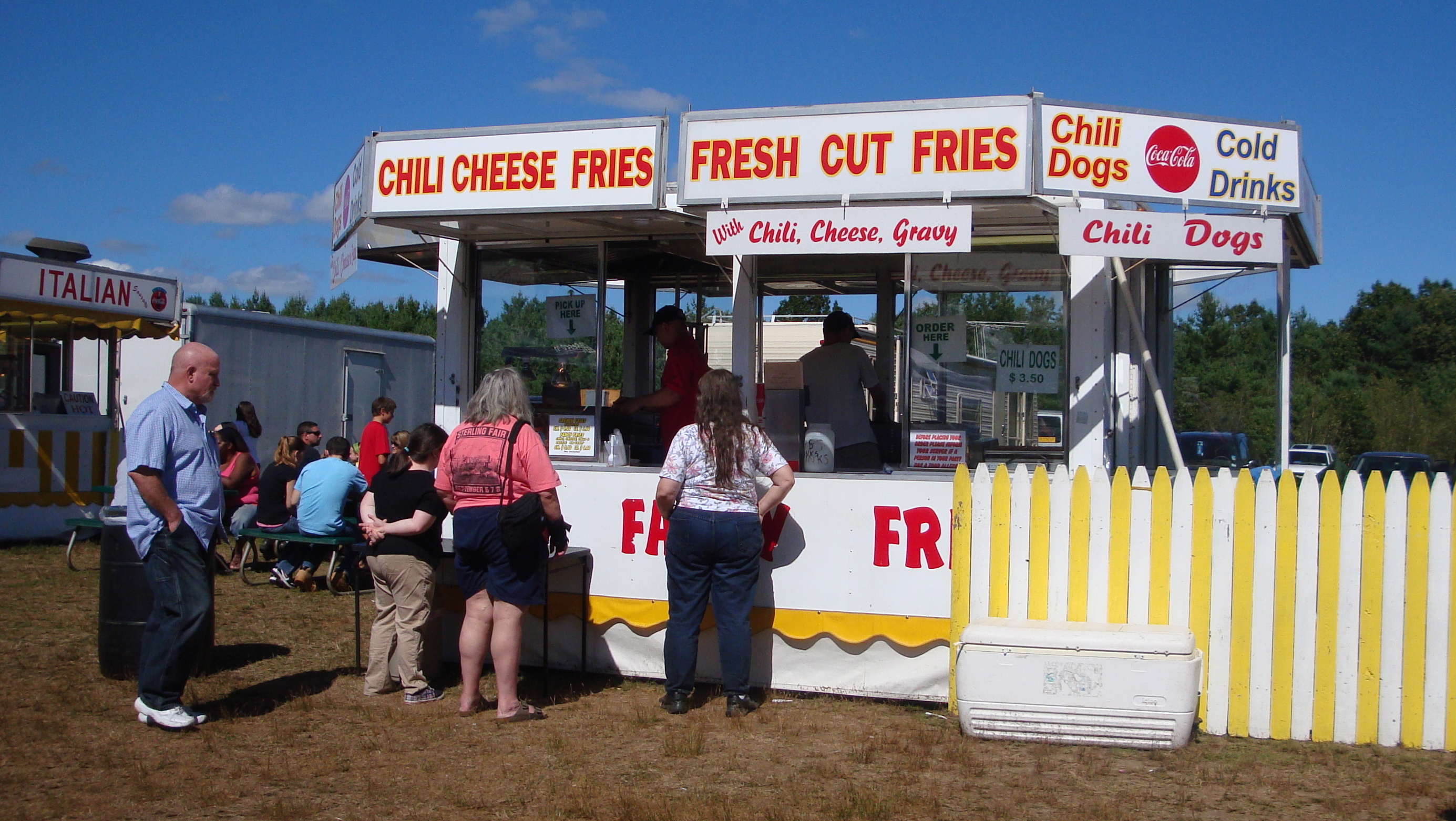
‘Merica.
Over the summer I asked an education professional if she had any insight into the increased diagnosis of severe anxiety disorders in teens. We aren’t talking about teenage angst – these are kids who can’t bring themselves to leave the house or enter a classroom. Her answer surprised me: “It’s the 9/11 generation.” I hadn’t thought of it that way before, and I don’t think I agree completely, but it’s an interesting theory.
One thing is for certain: the 24 hour news cycle and the widespread use of video and cell phone data made the sights and sounds of September 11, 2001, some of the most recorded and repeated events in history. I have to wonder if constant exposure to those images, along with all of the other disturbing and readily available content on the internet and cable TV, has created worrisome static in the minds of vulnerable children. Whether it creates the worry or amplifies it is up for discussion.
For my part, I have had bouts of worry since day one. If you took my life apart piece by piece you may or may not find events that fuel my worry, but I am convinced that the original spark was organic, part of my DNA. I was very young when I told my baffled mother I was afraid of both the dark and eternity as I played tea party on the floor near her desk. But I can remember the day my worry went from ember to bonfire with a single act when, aged 11, I picked up a copy of Helter Skelter from the coffee table in our living room, and read only the captions below the photographs embedded in the center of the book. They described in vivid detail the grisly crimes of Charles Manson and his cohorts against people in their own homes (none of the links here lead to those photos). What sent me into a tailspin was the randomness with which the houses and victims were chosen – the ultimate case of being in the wrong place at the wrong time. I stopped sleeping and started locking all of the doors in our big house in a small city. I stayed up until all hours watching the late show, hoping to fall asleep, only to be awakened by the test pattern or the national anthem. Lucky for me the late show in those days consisted of movies like The Old Man and the Sea and Jerry Lewis and Peter Sellers comedies. It took years for me to go back to reading books in bed, and when I did I took to reading the same books over and over – Gone With the Wind, The Long Winter, The Little Silver House, A Little Princess, The Lion, The Witch, and the Wardrobe. New books were only for daylight hours, and more often than not they were Hollywood biographies – glamorous and gossipy, the ending already known.
I’m willing to bet that the images broadcast eleven years ago today have stayed with some children more than others – why should they be any different than those of us who cannot forget that day and look warily at a too blue September sky?  It isn’t as easy for us to protect them as it was for my mother to get rid of that book and replace it with more appropriate reading – she settled on Agatha Christie for some reason, probably because the mysteries were all solved neatly at the end. She was none too thrilled with my own choice of Judy Garland, Clark Gable and Marilyn Monroe books but those tales were less lurid than they are now, and in comparison to the Mansons they were almost wholesome.
My organic worry is still with me and I see it glowing beneath the surface in my children, but we have plenty of tools to help address it. Diet, exercise, prayer and sometimes medication and therapy all play a part, as well as a constant effort to beat back the media beast. I am grateful to J.K. Rowling’s Harry Potter for providing such sublime distraction via books and movies at this key period in history; it is an especially remarkable gift to the generation of children coming of age now. The TV and the internet allow us to revisit and access disturbing content but they also allow us to curate (and password protect) what we and our children see – I love that my middle schooler can fill up on recorded episodes of Good Eats, Dr. Who and Top Gear when he’s done with his homework (I don’t care to discuss Family Guy, thank you).
Real life, of course, presents fearsome challenges of its own that have nothing to do with media. For thousands of people it is the stark reality of the lives of loved ones lost senselessly and horribly (or in brave service as first responders) on September 11, 2001, and not just the images of it, that have altered their lives. We would all like to turn back the clock and not have known it, not have seen it, and protected our children from it. But just as the generations before us endured the tragedies of their times, we can hope that our sorrow and the worry it can engender allows us to learn in ways that bind us together – if we can just tear our eyes away from the screen.

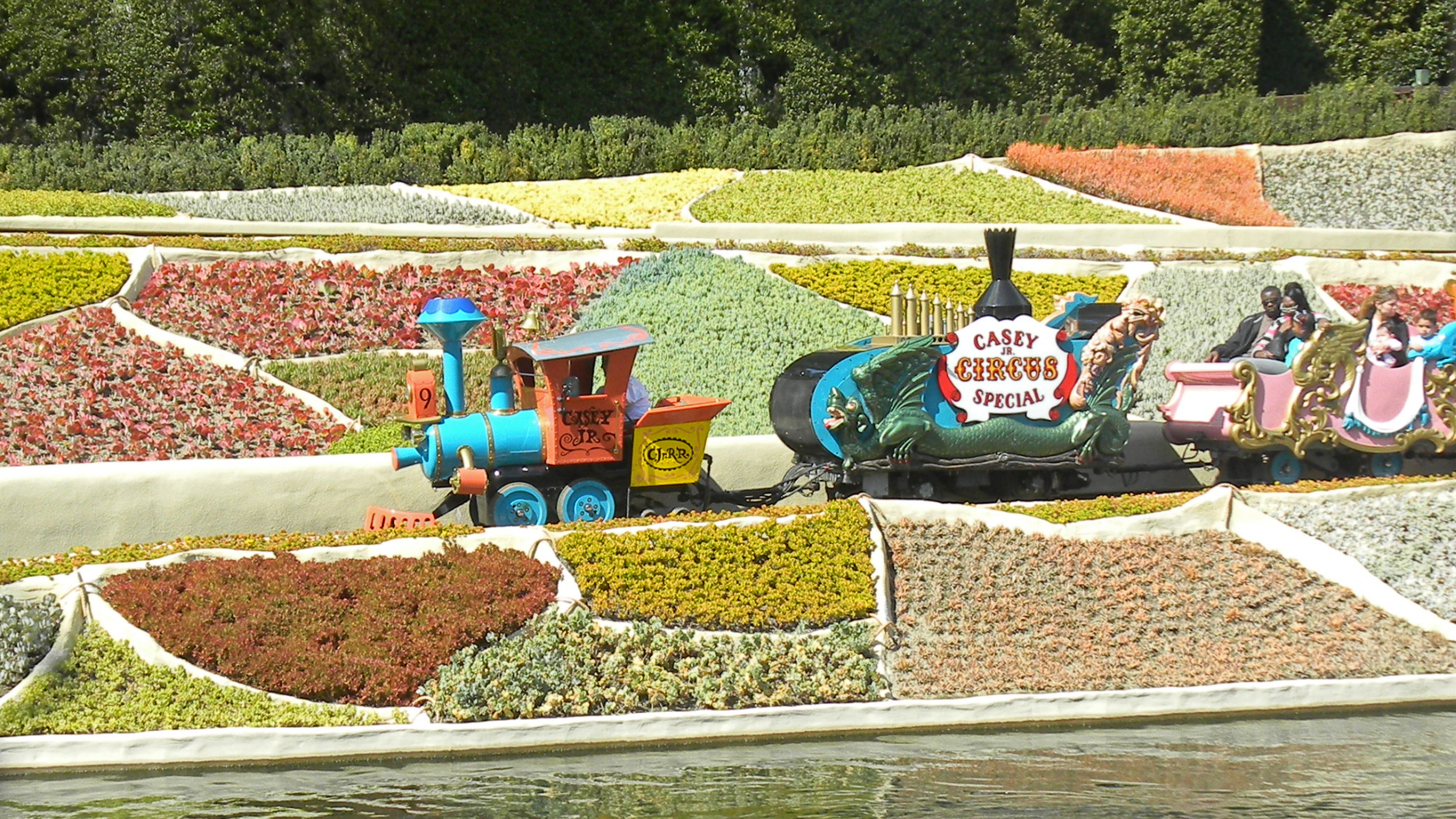 I was going through some 2011 photos and found this. The Casey Junior Train is the best thing in Disneyland (there isn’t one at Disney World). It epitomizes everything I wanted to visit at Disney theme parks when I was young, and it is pretty much all that is left of the Disney magic that I can embrace. I didn’t really want to go to Disneyland (crowds, lines, heat) but my son was hell bent on seeing this train, and he was right – it’s the coolest thing there. I’m amazed that the Disney merchandising juggernaut has not capitalized on the train mania – aside from a pin, you cannot find any models or memorabilia related to this train anywhere in Disneyland. I’m not complaining (okay maybe I am) but it’s so discouraging when you can buy princess everything and Goofy sweatshirts in size XXXL but not a toy train.
The Casey Junior song from Dumbo is my all time favorite sequence in Disney film – every hue and detail perfect. (The colors in the VHS format are actually richer than the DVD, I think.)
And you know what else I love about it? See the patchwork quilt that makes up the landscape? Those are all succulents, planted by Walt Disney himself, in every hue imaginable. Oh, and my boys rode around in the monkey cage. I loved that, too.

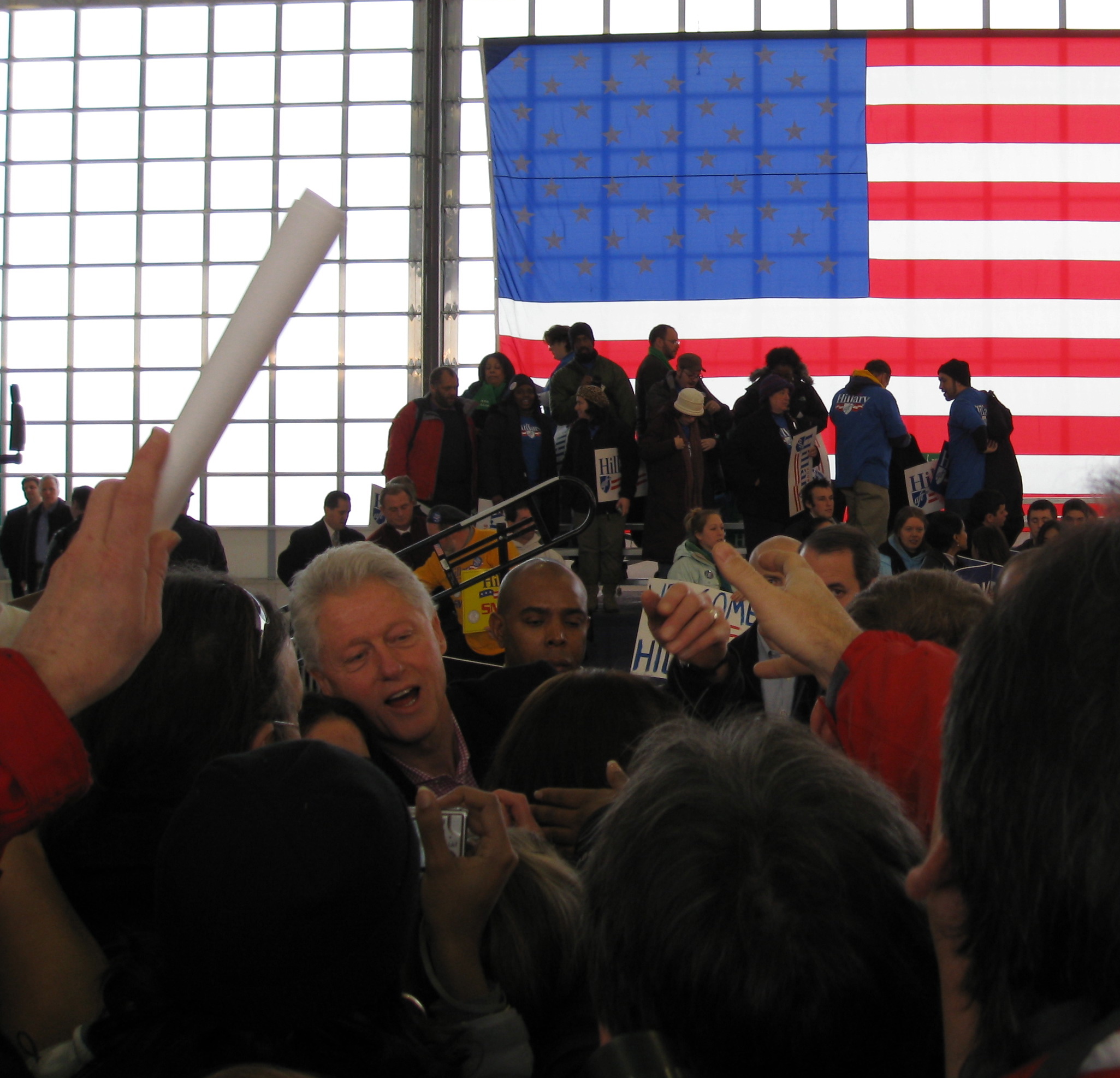 Regardless of what anyone thinks about this election cycle, there is no arguing that Bill Clinton gave a master class in politics at the Democratic National Convention last night. He has never given a better speech at a more important moment. It should be required viewing (along with the written version so his brilliant improvisation comes through) for anyone interested in any kind of political career. The Republican strategists on MSNBC openly envied him, saying that their party did not offer anyone close to Clinton’s performance in terms of political mastery. I haven’t had that much fun watching a speech since Reagan.
I used to cringe when I heard Clinton speak as President, and when I stood at a rope line near him in January 2008 in Nashua, New Hampshire, he was charismatic but in a creepy and pandering kind of way. He was clearly worried, angry and exhausted after witnessing Hillary’s defeat to Barack Obama in the Iowa Caucuses the night before. His angsty presence was so distracting while Hillary spoke that he and Chelsea eventually moved behind the campaign bus halfway through her rally. Later, when he emerged to work the crowd, along that rope line he scanned the crowd for the (few) people of color and, reaching beyond me more than once, pulled them toward him to take pictures, as if he needed to prove he hadn’t lost his influence with them.
After being such a skunk during the 2008 primaries, he owed this performance to Obama, and delivered spectacularly. The President has a tough act to follow.

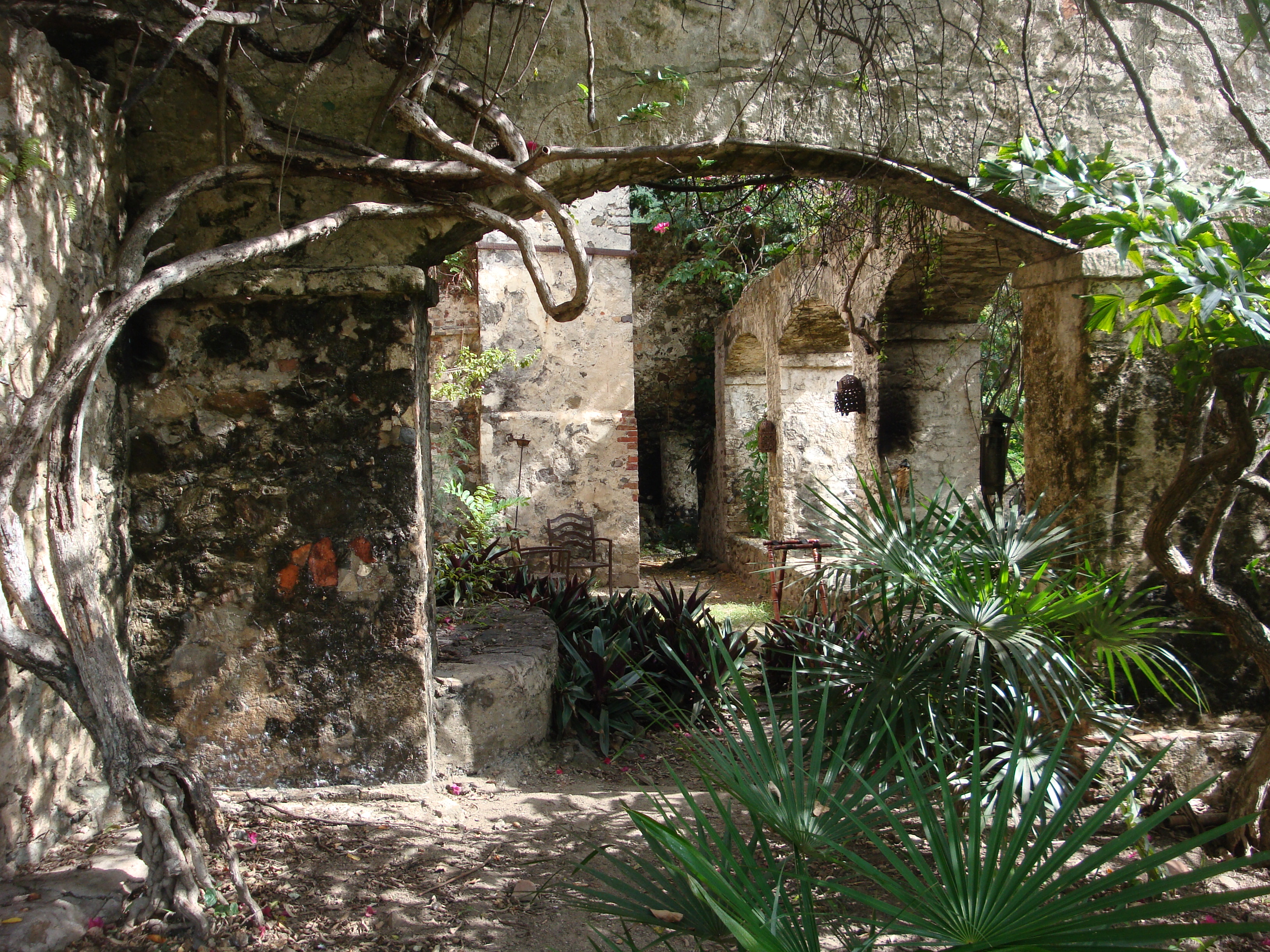
I want to live in this picture for a while
Sit in that chair
Watch the shadows grow long through the archways and windows
Eat salty sweet food
Drink sparkling water
Wear practically nothing
Let the sun and sea air dry out my skin
Listen to Italian music but only after dark
Join in with the tree frogs
Watch my memories wind themselves around the vines
Lanterns are lit and people walk by
They cannot see me
I am a ghost
 Right on cue, the weather turned cool, the summer haze lifted, and the sweatshirts came out. People and nature fall into step for the first day of school. Squinting in the sunshine, I see the first leaves drift down, only the edges yellow and red, and I swear can smell the apples ripening even though the orchards are miles away. Labor Day is coming up and the blooms on the snowball bushes are trading in their white for pink. The boys put on their new sneakers, and I get out my hipster glasses so that I can read the tiny type on all of those forms I have to fill out with my brand new sharpies.
I have not even reached for the towel yet after my shower when a voice pipes up around the corner “Ready to go yet, Mom?” School isn’t scheduled to start for an hour, it takes fifteen minutes to get there, and I know he heard me turn off the water four seconds earlier. No, I am not ready to go. But I am glad that it is still possible for a teenager to be excited for the first day of school, so I snap it up and get him there twenty minutes early, knowing that for the first time in 10 weeks I will be returning to an empty house.

 I won’t Google that phrase because someone else has surely said it but it just dawned on me, literally, in the cool summer sunrise. After a whirlwind summer of chronicling travels, neuroses and separations it is time to add more intricate structure and depth to living and writing. Inspired by the musings, creativity and work ethic of others – Cristian Mihal, Maggie at Life in a Skillet, Shrimani Senay, Karen Weintraub and Nick Hornby, among them – as well as the flight of my girl off to college, I see that it is time now for the next act.
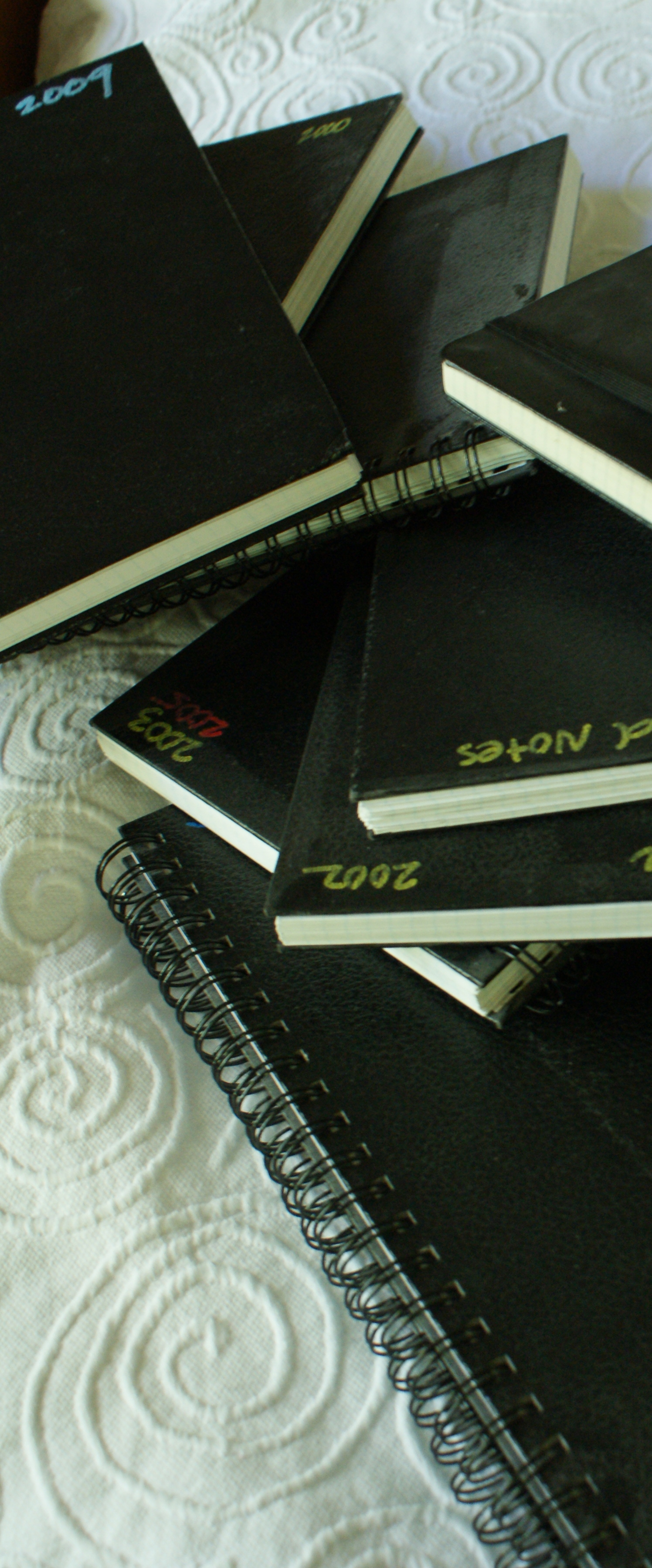
I’ve been blogging since 2009 about food, life and autism and my hits number merely in the thousands, which is perfectly fine – the whole idea was to write every day, and I am there now. So now it’s time to commit myself, with all that word implies, to devoting my annual September burst of energy to taking years worth of writing and making something of it. Binders, notebooks, post-its and reams of graph paper will all give up their contents to The Cloud and return to Earth as…something that is both fact and fiction. It will take much longer than September to get it down, figure it out and put it in order, so I signed up for a writing group to establish some momentum and deadlines.
But summer isn’t over yet. School will start tomorrow and Labor Day will be here this weekend. I don’t have the luxury of the stretches of quiet time necessary for my project. And so I blog about the small moments so that, come September, I can write about the big ones (and I am pretty sure I have said that before).
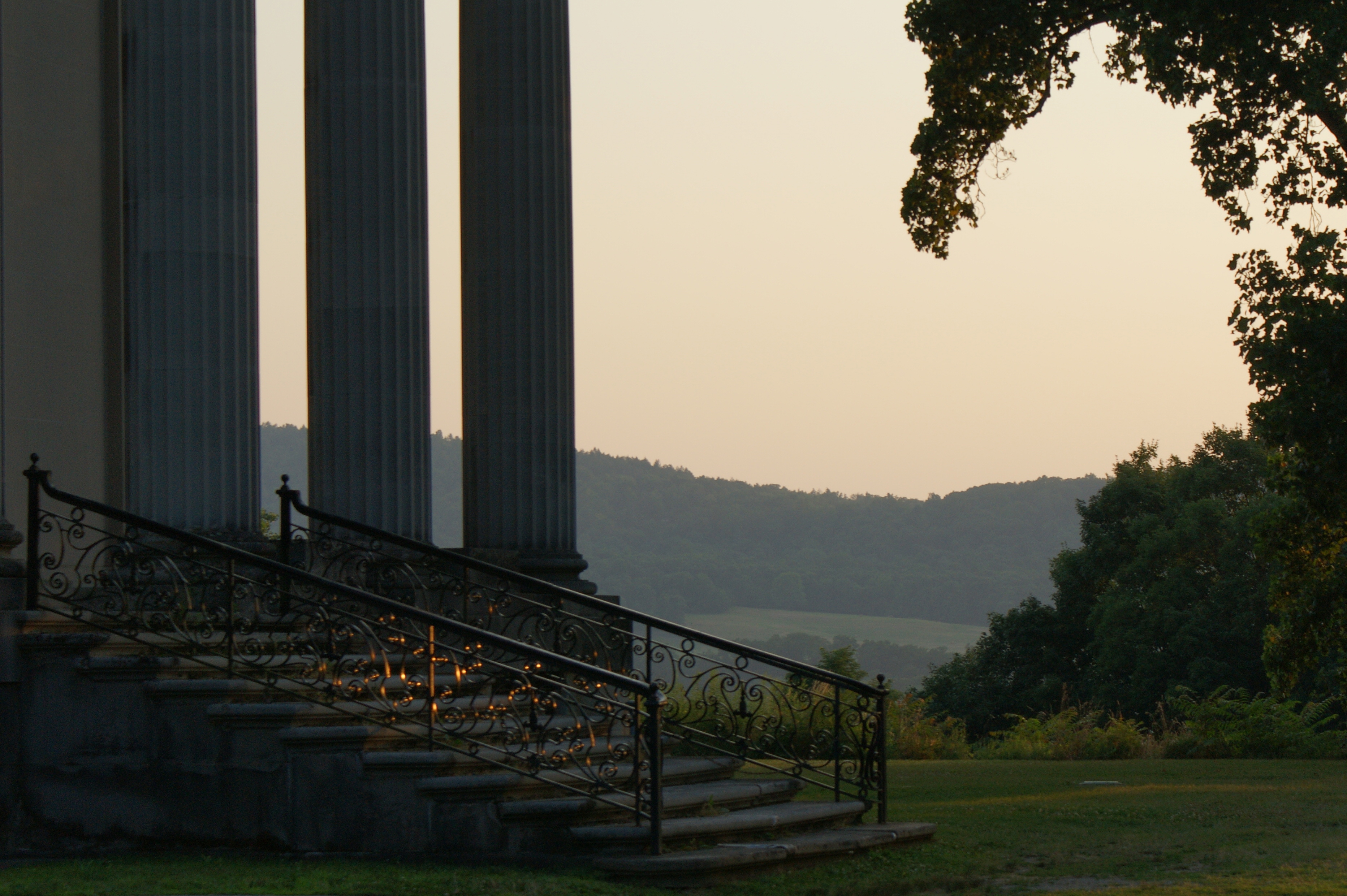
The Vanderbilt Mansion in Hyde Park, New York, is a rare find, a time capsule preserved and put on display for we, the generations that followed. What’s more, it is just down the road from Springwood, the Roosevelt home that is birthplace and burial site of President Franklin Delano Roosevelt. Roosevelt himself was instrumental in keeping both homes intact and open to the public, donating his own home to the National Park Service upon his death and persuading the Vanderbilt heirs to do the same when it was clear that no one would buy the estate and its Italian Gardens even at a tiny fraction of its value. It was the foreclosed McMansion of its day, even though it was by far the smallest of the Gilded Age mansions built by the many grandchildren of shipping and railroad magnate Cornelius Vanderbilt, it didn’t even last through its own generation before it became impractical to live in or care for in the economic devastation of the Great Depression.

 Two seasons of the above and below stairs drama of Downton Abbey (and a knowledgeable young guide) helped to bring this gently faded and stuffy house to life for us as we walked through. The windows are closed and shaded to preserve the furnishings and keep it cool, but he reminded us that the home was intended as a summer cottage and in its day the windows would have been thrown open to the sumer breeze off the river and every room filled with flowers from the row of greenhouses just across the lawn.
And while its contents are largely intact, the gardens are only now being revived. Having only come recently to gardening I understand now that it is always the garden that is the first to go when a property loses a caring, resident owner. Architecture may take time to show wear, but it only takes a single season to destroy a garden – and in a year like 2012, punctuated by drought and torrential rain, even tended gardens can be decimated. The Park Service had an interest in preserving Sara Delano’s rose garden – FDR’s and Eleanor’s burial sites are situated next to it – but the Vanderbilt’s more elaborate tiered Italian garden with it vast greenhouses did not merit thefunds for preesrvation – the current restoration is funded by private donations, and the volunteers were hard at work when we visited. I didn’t expect it to be so romantic, with heart-shaped beds of pink petunias and so many of the trees flowers I recognize from my own garden, but then I remembered that even then they had to cultivate plants that could survive in New York rather than the warmer climes of southern Italy.
I don’t know if it is a sign of the times or my own skewed sense of history that fuels my current fascination with the early Twentieth Century. Sometimes there are too many parallels, sometimes too few. From my admittedly untrained perspective, Hyde Park reflects the convergence of the styles that dominated the previous and coming centuries. The old money, sober Dutch influenced but early American style of the Roosevelts at Springwood (their walls adorned with family portraits painted by Gilbert Stuart) looked down its nose at the Gilded Age, with the decadent, new-money European obsessed opulence of the Vanderbilts (their walls covered with tapestries of the Medici family crest) and finally followed by the more eclectic, earthy arts and crafts style adopted by Eleanor Roosevelt at Val-Kill (very little fine art on the walls, decorated almost exclusively with photographs of people and events of their own time).

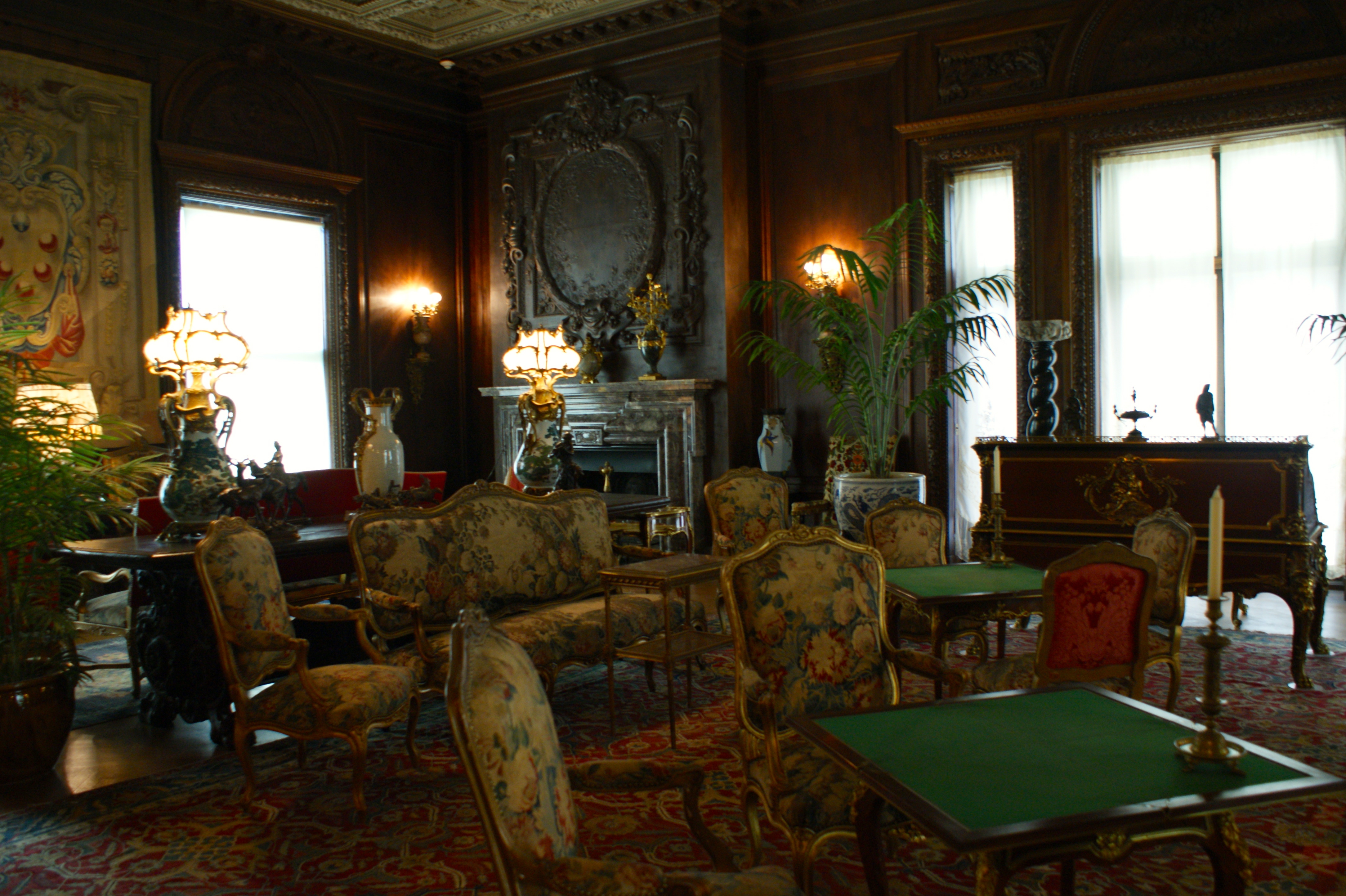
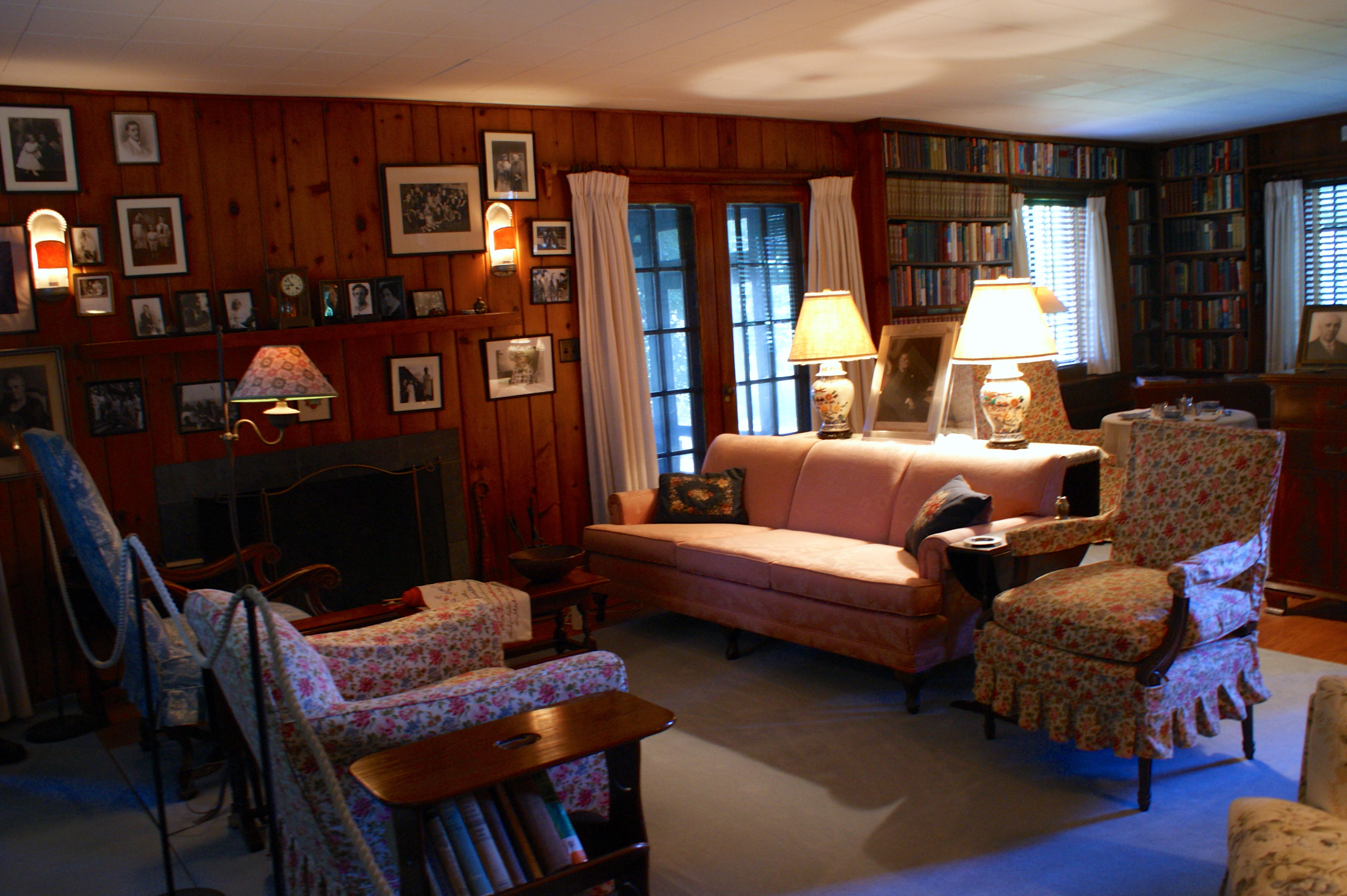
The house at Val-Kill itself is a harbinger of trends to come, a factory building converted into a home, and it’s dropped ceilings, galley kitchen and folding chairs are testament to the fact that not all progress is forward. Part of all of these styles endure, their longevity or re-emergence dictated by the changes in the American way of life. Just like the start of the last century, war and excess are steering us back to the small-is-beautiful after many years of bigger-is-better. Contraction and preservation in the face of uncertainty is not such a bad thing, if such appreciation brings wisdom and, with it, hope.
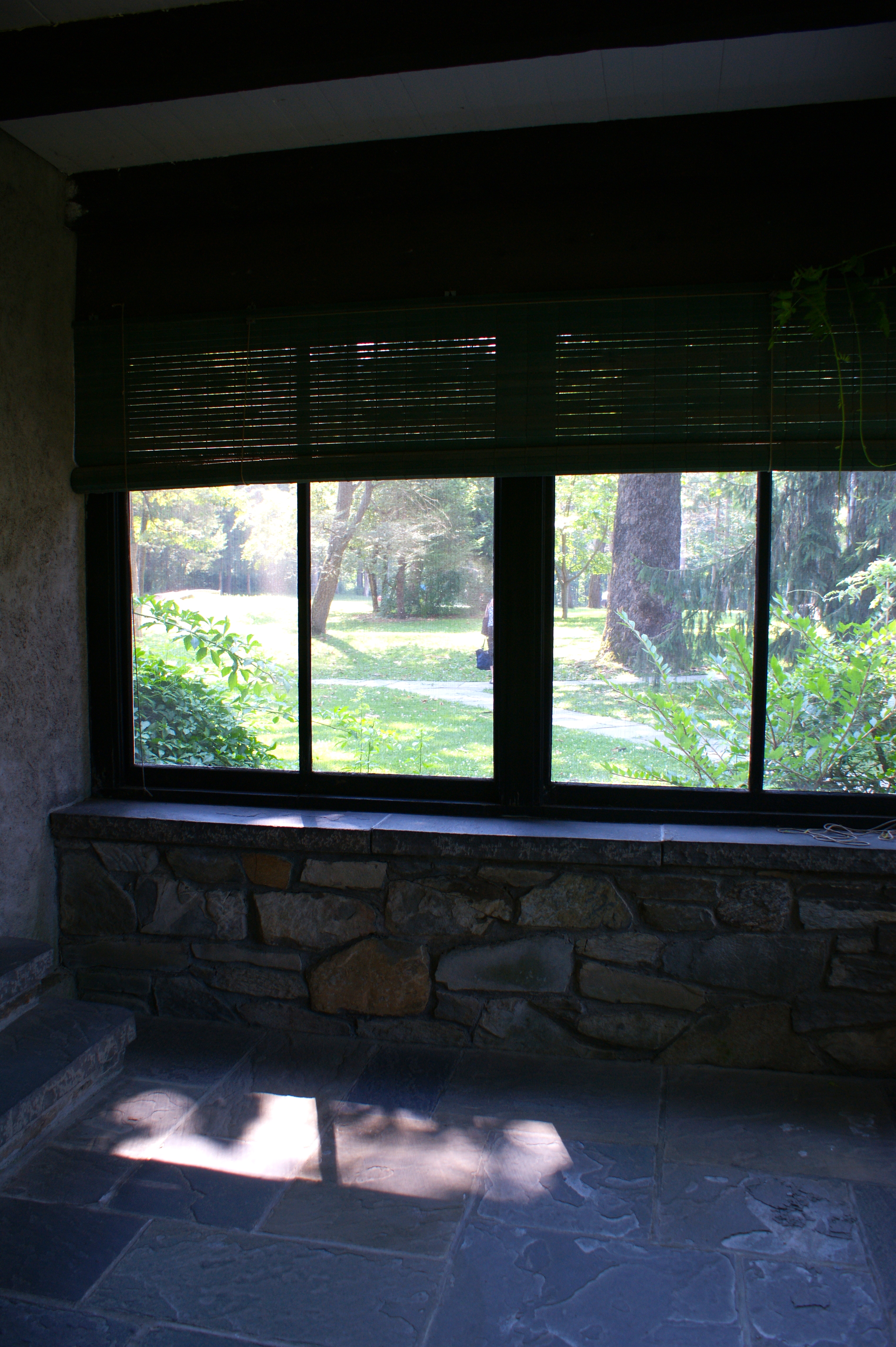 Another window. This was taken on a historical tour of Val-Kill but took me back to my own history rather than Eleanor Roosevelt’s. When air conditioning was scarce, a screened-in porch very much like this is where I spent my summers reading. I did not expect to feel so at home in a place I had never been before.
 LettersHead