A Love of Bricks and Ivy

The stucco house I grew up in had ivy all around one side and I admit to being less charmed by it then because pigeons were always flying in and out of the ivy and dancing on the air conditioner in my window.  But once I moved south to St. Louis and then out east I fell in love with the red right angles and the fluttering greens vying for attention, and there is nothing like the solid, cool  interiors and dappled light of a brick house on a sunny day.

I drive by this house situated behind a wall on what was once a vast estate (now merely a large one) all the time but there is no safe place to stop and take the photo, so on this stunning May morning I parked the car in town and walked a mile to get this and many shots I have been meaning to take.  More to come.
Spring Thaw, with a Vengeance

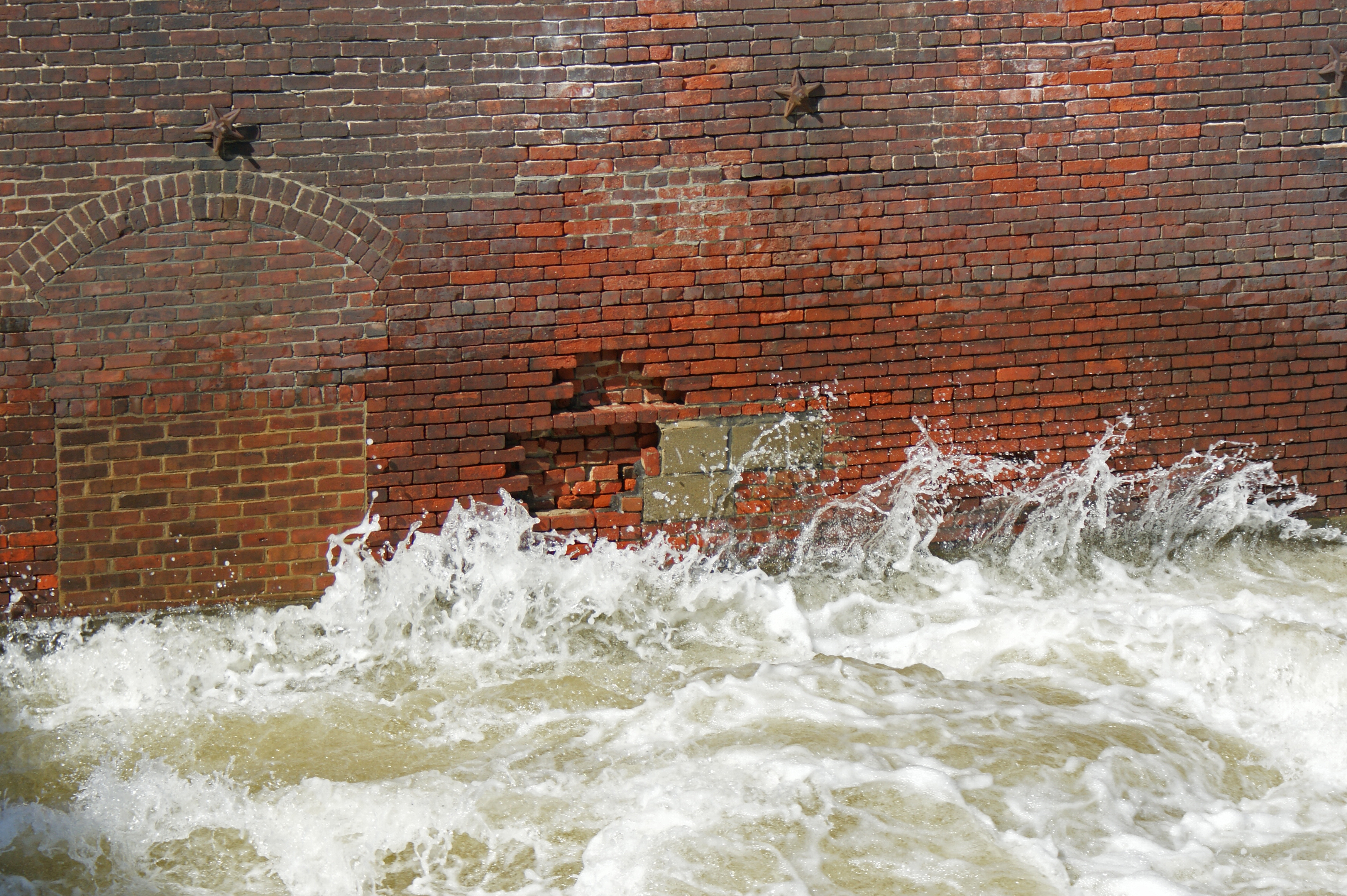
Last week the roiling Nashua River escaped its banks and pummeled the abandoned mill buildings it once powered.  Ten inches of rain fell over two days during the second powerful storm to hit New England in a month, taking all of the season’s snow and the contents of many cellars with it.  This mill wall, with it’s bricked up window and stars whose purpose elude me, says so much about how much we struggle to manage nature.  Harnessing and fighting its power at the same time; eventually giving up and letting it loosen and take the bricks with it downstream, one at a time.

Winter Window, Ipswich

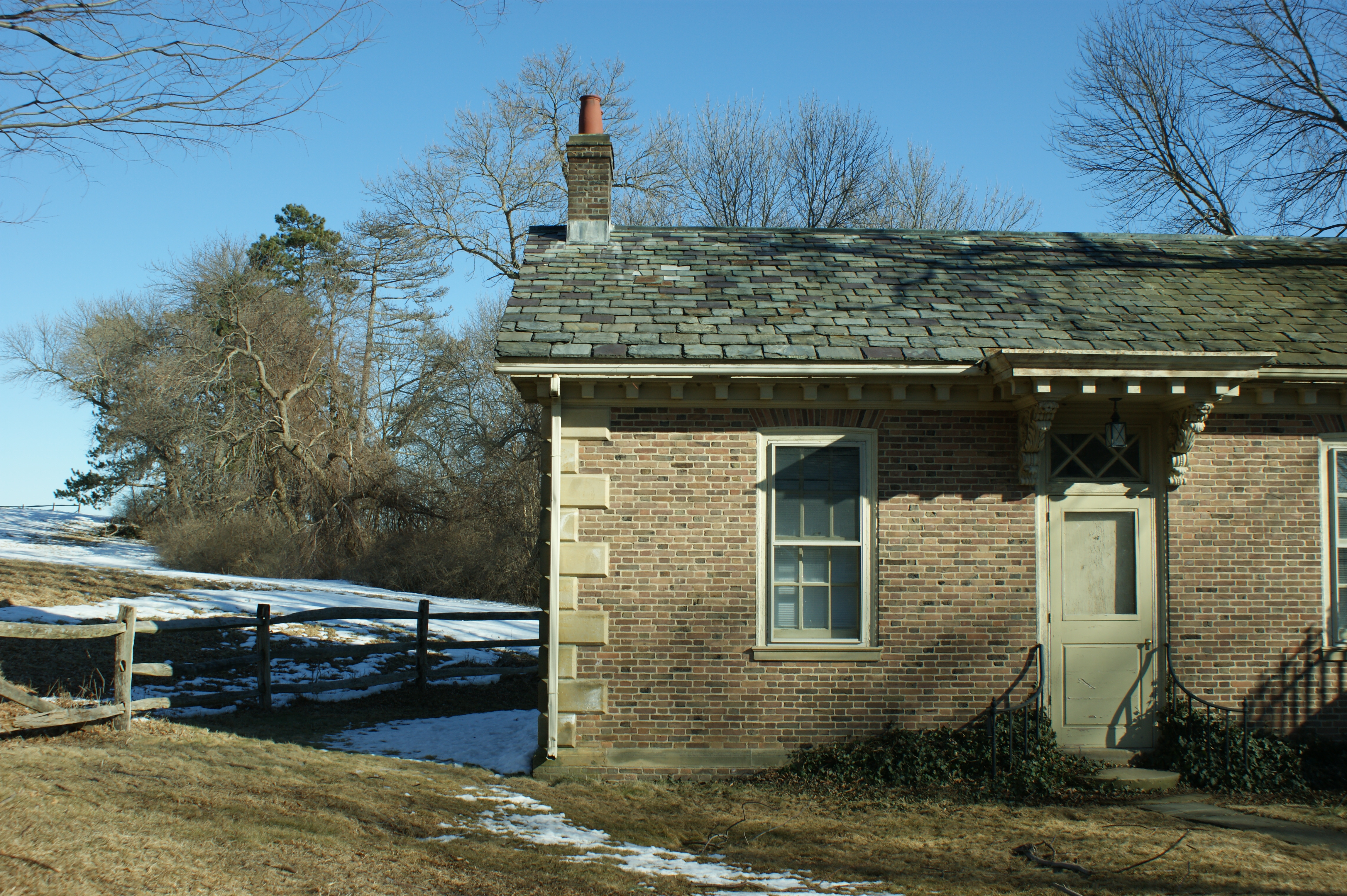
This is the cottage at the entrance to The Crane Estate in Ipswich, Massachusetts.  The colors in the roof tiles, the curve of the wrought iron entwined with the ivy and the gnarled trees in the winter sky all remind me of a faded photograph from another time, even though I took this today.

Early American window and door, just because

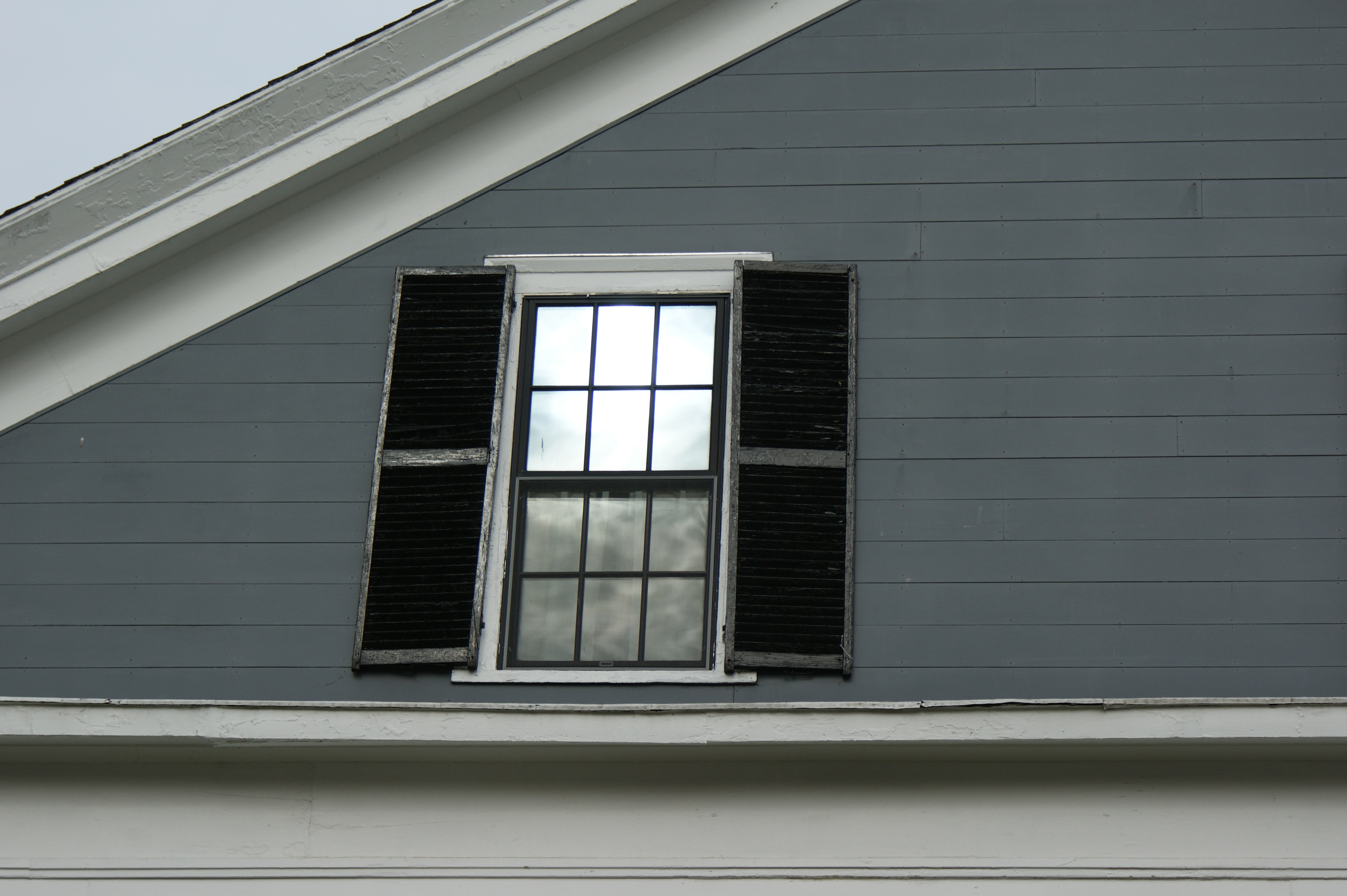
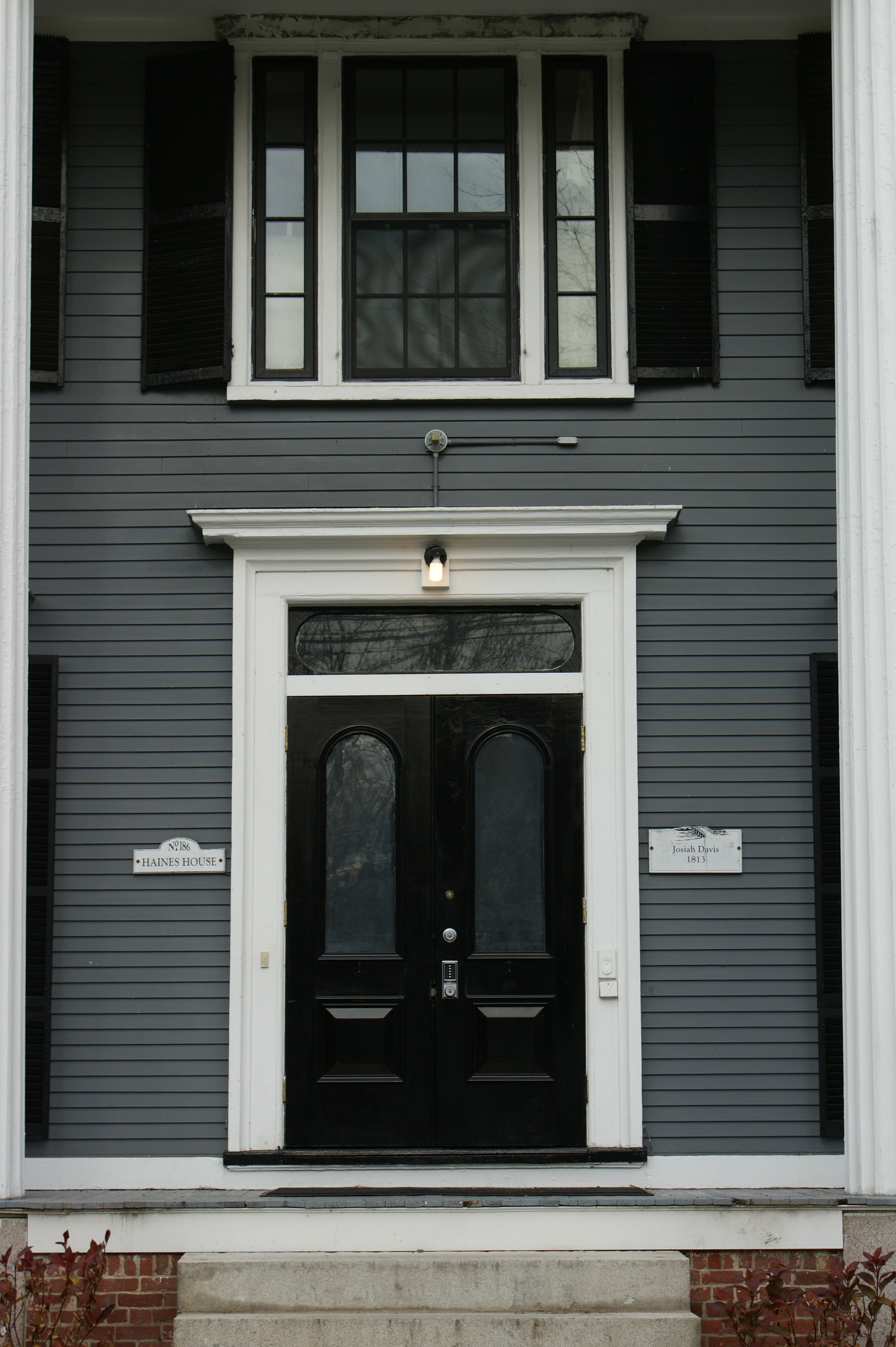
This window is at the top corner of the Haines House in Concord, Massachusetts.  Built in 1813, it has shutters are made to work and most likely has layers of paint thicker than the walls of most modern houses.  Below is the front door to the same house (currently an academic administration building at Concord Academy), where the wiring for the light had to be routed on the outside.  The way all the exterior lines and shapes in these old structures can fit together into a coherent whole fascinates me – in modern times that approach doesn’t seem to work nearly as well, and yet here, it does.  Are we more forgiving of older architecture just because it’s old or did they get something right that we don’t?  I admit that I am more enamored of such places from the outside looking in – once inside, they tend to be dark and cramped and have a kind of slanted fun house quality because everything has settled unevenly over the centuries (and that funky wiring goes from quaint to dangerous).

More Windows

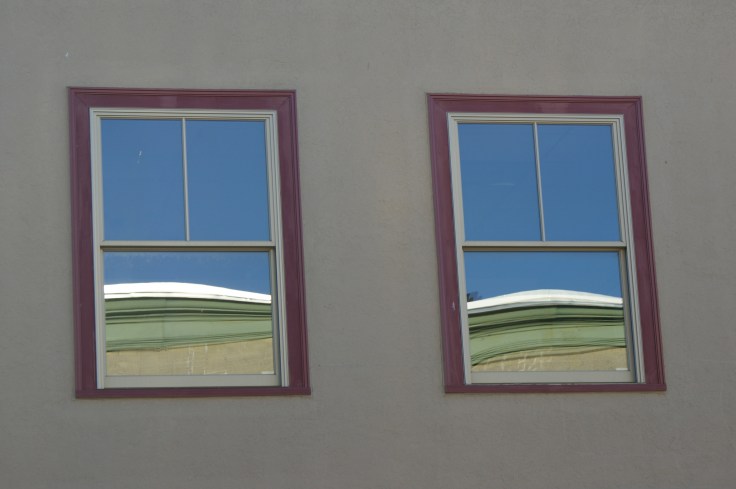
Fall 2009 Ayer windows

No story here.  Just colors and shapes and light that make me unreasonably happy.

Opening Windows

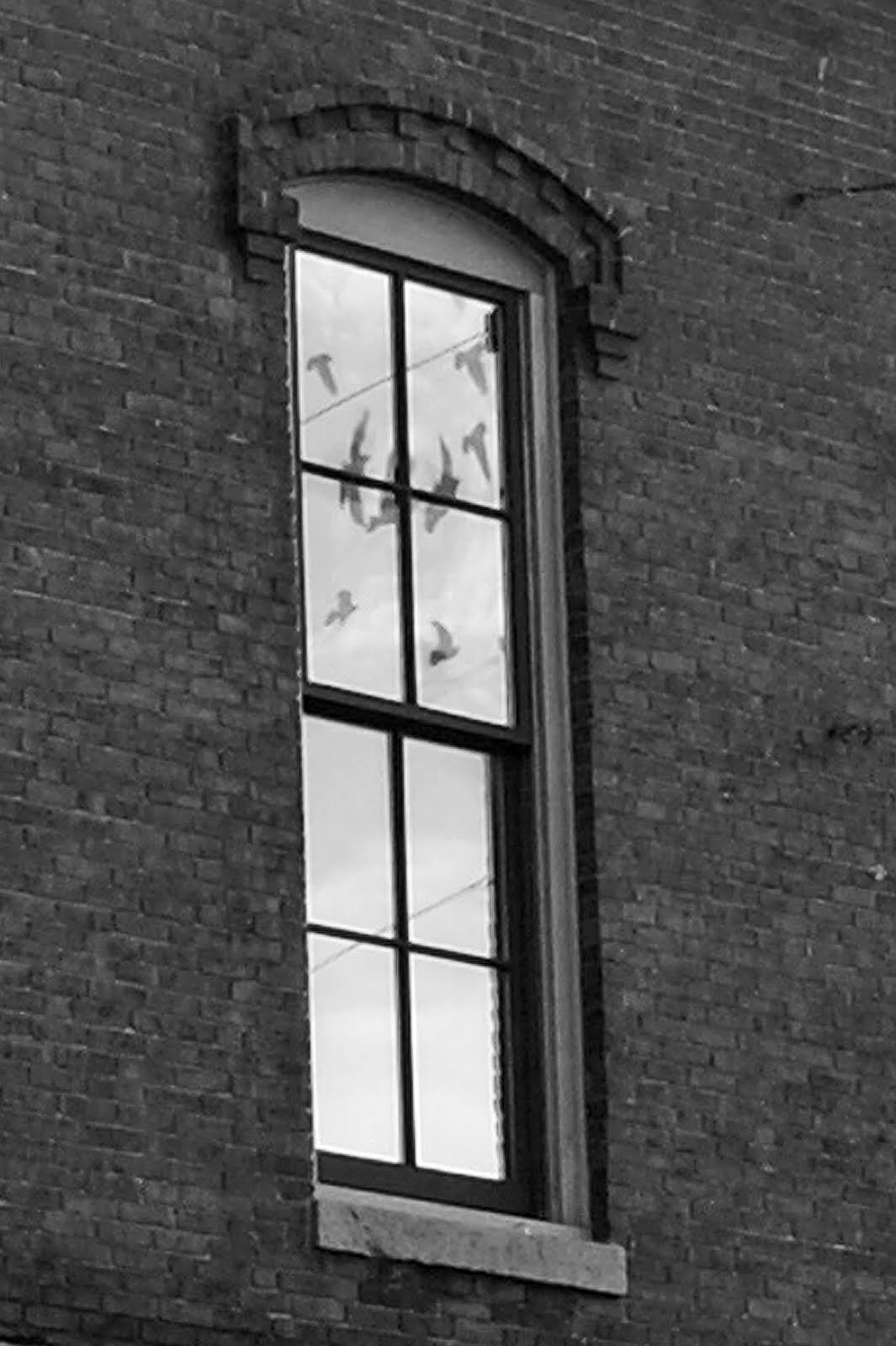
Over the years I’ve taken hundreds – thousands, probably – of photographs of windows. I used to take days off from work in Boston and photograph all of the windows of the older buildings in Back Bay, the Financial District and at MIT. They give me a sense of place, I think, because once I have them I never know what to do with them, but they each have a story, real or imagined, and I suppose my intention was that sooner or later I would get around to writing it.

This window is in downtown Ayer, Massachusetts, and each morning as I drive through town, there are flocks of birds, barn swallows, I think, that swoop over Main Street again and again. Ayer is a town stuggling to reinvent itself after the nearby military base was closed, and sometimes I imagine that the birds are trying to breath new life into these too quiet streets.  It looks a little like a Western town, with false facades on some of the buildings squaring them off at the top, and wide covered porches over the walkways. Fort Devens is where the Great Flu Pandemic of 1918 broke out, and I have read Groton’s Town Diaries about the World War I soldiers who brought the virus and carried it far and wide, the deaths and quarantines and the great infirmary on the hill where the local folks went to recover. But that’s another photograph.

Website Powered by WordPress.com.

Up ↑